

Drinking electrolytes before bed can support overnight hydration, especially if you’ve lost fluids during the day, yet it really depends on timing, dosage, and your body’s needs. In many cases, a small, balanced electrolyte intake before sleep helps maintain fluid balance, reduce nighttime dehydration, and support recovery.
Too much, though, might be a bit disruptive, especially if it leads to waking up to use the bathroom or feeling slightly overstimulated.

Hydration doesn’t really stop when you fall asleep, and that is that your body continues to lose fluids through breathing and sweat overnight. Many people, in fact, wake up slightly dehydrated without even realizing it.
Electrolytes before bed, in a way, can act like a slow drip system for hydration, helping your body stay balanced while you rest. This is where something like Day One ElectroGummies fits in naturally, offering a simple, no-mix option that feels more like part of a nightly routine than a chore.
What Drinking Electrolytes Before Bed Means
Drinking electrolytes before sleep is basically about replenishing key minerals like sodium, potassium, and magnesium before your body enters a long fasting period overnight.
These minerals, in some respects, help regulate:
- Fluid balance
- Nerve signaling
- Muscle relaxation
- Blood pressure stability
Types of Electrolytes People Use at Night
- Electrolyte drinks – quick absorption but sometimes too much volume
- Powders mixed in water – customizable but slightly inconvenient
- Electrolyte gummies (like Day One ElectroGummies) – low volume, easy, and more controlled
The key idea is that nighttime electrolytes are less about performance and more about steady hydration and recovery.
Why It Matters for Hydration and Performance
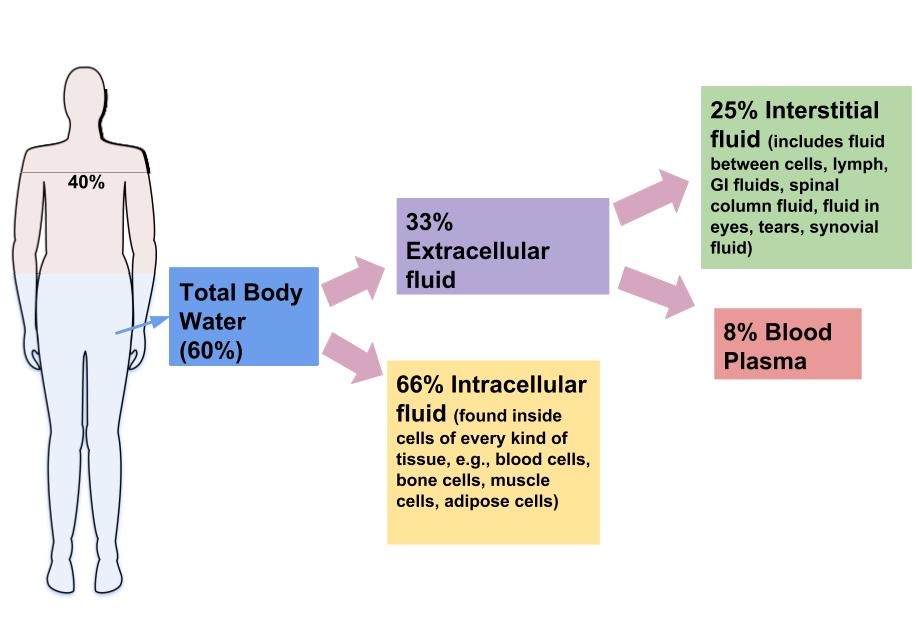
Your body, actually, loses around 0.5–1 liter of water overnight, depending on temperature, breathing, and sweat rate. That means you wake up already behind on hydration.
Electrolytes before bed can help:
- Reduce morning dehydration symptoms like dry mouth or headaches
- Support muscle recovery, especially after workouts
- Stabilize fluid levels so your body doesn’t pull water from cells overnight
For people training regularly or living in hot climates, this becomes even more relevant, since hydration debt tends to build up quietly.
How It Works in the Body
Electrolytes don’t hydrate you directly, but they help your body hold onto water more effectively.
Here’s how it plays out:
- Sodium helps retain fluid in your bloodstream
- Potassium supports intracellular hydration inside your cells
- Magnesium helps muscles relax, which may support better sleep quality
At night, your body shifts into repair mode, and hydration is a big part of that. Without enough electrolytes, water alone can pass through too quickly, which is why some people wake up still feeling slightly dehydrated.
Practical Tips for Taking Electrolytes Before Bed

If you’re thinking about adding electrolytes to your nighttime routine, here’s what actually works best:
1. Keep the Dose Light
A full serving might be too much at night, so a half serving or a few gummies is usually enough.
2. Time It 30–60 Minutes Before Bed
This gives your body time to absorb fluids without disrupting sleep.
3. Avoid Excess Liquid
Drinking a large volume right before sleep can lead to waking up during the night.
4. Choose Low-Sugar Options
Too much sugar can spike energy slightly, which isn’t ideal before bed.
5. Use Convenient Formats
Products like Day One ElectroGummies make it easy since you’re not adding extra liquid volume.
When People Should Use Electrolytes at Night
Electrolytes before bed aren’t necessary for everyone, but they tend to be helpful in certain situations:
- After intense workouts or long runs
- During hot weather or heavy sweating days
- If you experience nighttime leg cramps
- When traveling or dealing with jet lag
- For people managing chronic dehydration tendencies
In these cases, nighttime hydration can help prevent waking up feeling drained or sluggish.
Common Mistakes
A few things, honestly, can make nighttime electrolytes less effective:
- Drinking too much liquid right before bed
- Overloading sodium, which may feel uncomfortable
- Choosing high-sugar sports drinks late at night
- Taking electrolytes when you’re already fully hydrated
- Ignoring your body’s signals (like waking up frequently at night)
The goal is balance, not overload.
FAQs
Can electrolytes before bed improve sleep quality?
Electrolytes, in some respects, may support sleep indirectly by helping muscles relax and preventing dehydration-related discomfort. Magnesium especially tends to support relaxation. Still, they are not a sleep aid, so benefits vary depending on hydration status and overall routine.
Will drinking electrolytes before bed make me wake up at night?
It might, especially if you drink a large volume of liquid right before sleep. Keeping intake small and timing it earlier in your evening routine usually helps reduce nighttime wake-ups.
Are electrolyte gummies better than drinks at night?
Gummies, actually, can be more convenient since they provide electrolytes without excess fluid. This makes them a practical option for nighttime use, especially if you’re trying to avoid drinking too much before bed.
Do electrolytes help prevent morning dehydration?
Yes, in many cases, electrolytes help your body retain fluids overnight, which can reduce symptoms like dry mouth or fatigue in the morning. The effect depends on your hydration status during the day.
Is it safe to take electrolytes every night?
For most people, moderate daily use is safe, especially with balanced formulations. Still, it’s important to avoid excessive intake and adjust based on activity level, diet, and individual needs.
Can electrolytes reduce nighttime muscle cramps?
Electrolytes like magnesium and potassium, in a way, may help reduce muscle cramping, especially if the cramps are linked to dehydration or mineral imbalance. Results vary depending on the underlying cause.
Should I drink water or electrolytes before bed?
Water is usually enough for general hydration, but electrolytes can be helpful after heavy sweating or long days. The choice depends on how much fluid and minerals you’ve lost.


