
Calcium, in some respects, plays a key role in hydration by supporting muscle function, nerve signaling, and fluid balance, not just bone health.
It helps your body regulate how cells use and store water, and when calcium levels are off, hydration can feel slightly inefficient, even if you’re drinking enough fluids.
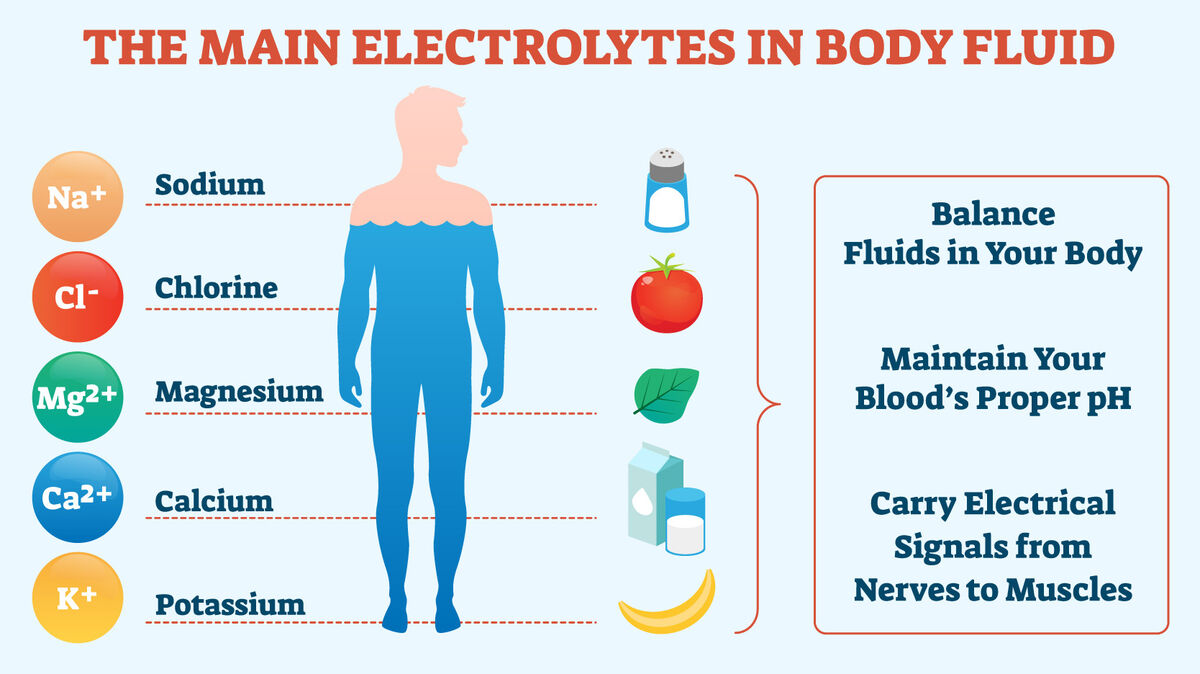
Calcium, honestly, gets talked about mostly in the context of bones, yet it quietly plays a much broader role in how your body functions. Hydration, in a way, is one of those overlooked areas where calcium contributes behind the scenes.
Your body, actually, relies on a mix of electrolytes working together, and calcium is part of that system. When you think about hydration as more than just water, it starts to make a bit more sense why balanced minerals, including calcium, matter.
Calcium and Hydration
Calcium is an essential mineral that acts as an electrolyte, helping regulate muscle contractions, nerve communication, and cellular processes.
While sodium and potassium get most of the attention, calcium still plays a supporting role in how your body manages fluids.
What Makes Calcium Unique
- Works closely with magnesium and potassium
- Supports muscle contractions and relaxation
- Helps regulate cell signaling and fluid movement
In other words, calcium helps coordinate how your body responds to hydration at a cellular level.
Why It Matters for Hydration or Performance
Hydration, in some respects, isn’t just about water intake, it’s about how your body uses that water. Calcium contributes by helping muscles and nerves function properly, which indirectly supports hydration balance.
When calcium levels are balanced, your body tends to:
- Maintain smoother muscle function
- Support steady nerve signaling
- Improve coordination between electrolytes
If levels drop, you might notice things like muscle tightness, fatigue, or subtle hydration issues.
How It Works in the Body
Calcium, in a way, acts like a messenger that helps regulate important processes tied to hydration.
Muscle Function
Calcium triggers muscle contractions, including those in blood vessels, which affects circulation and fluid movement.
Cellular Signaling
It helps cells communicate, which influences how fluids are distributed throughout the body.
Electrolyte Balance
Calcium works alongside sodium, potassium, and magnesium to maintain overall balance, rather than acting alone.
Fluid Regulation
While not the primary driver, calcium supports how fluids move in and out of cells, contributing to overall hydration efficiency.
So, while it’s not the main hydration mineral, it still plays a role in keeping everything working smoothly.
Practical Tips or Steps
If you want to support hydration with calcium in mind, here are a few practical approaches:
1. Focus on Balance
Hydration works best when all electrolytes are present, not just one.
2. Don’t Over-Rely on Water Alone
Water without minerals may not fully support hydration.
3. Include Electrolyte Sources
Products like Day One ElectroGummies provide a mix of electrolytes that work together.
4. Maintain a Balanced Diet
Foods rich in calcium, like dairy or leafy greens, can support overall mineral intake.
5. Stay Consistent
Daily habits tend to matter more than occasional large doses.
When People Should Use Electrolytes
Electrolytes, including calcium, can be helpful in situations where your body is under more stress:
- During intense physical activity
- In hot weather
- When experiencing muscle fatigue or cramps
- During travel or dehydration
- If your diet lacks mineral balance
In these cases, hydration becomes more than just drinking fluids.
Common Mistakes
A few things, honestly, can limit how effective calcium is for hydration:
- Focusing only on one electrolyte
- Ignoring overall diet quality
- Taking excessive calcium without balance
- Assuming hydration is just water intake
- Not adjusting for activity or environment
Balance across all electrolytes tends to matter more than any single mineral.
FAQs
Does calcium directly hydrate you?
Calcium does not directly hydrate like water, but it supports processes that help your body manage fluids effectively. It works alongside other electrolytes to maintain balance.
Is calcium considered an electrolyte?
Yes, calcium is an electrolyte, although it plays a more supporting role compared to sodium and potassium in hydration.
Can low calcium affect hydration?
Low calcium may indirectly affect hydration by disrupting muscle function and cellular processes, which can influence how fluids move in the body.
Do electrolyte supplements include calcium?
Some do, but not all. Many focus on sodium, potassium, and magnesium. Balanced formulations may include calcium as part of a broader electrolyte profile.
Are electrolyte gummies effective for hydration?
Electrolyte gummies like Day One ElectroGummies provide a convenient way to support hydration by delivering key minerals in an easy format.
Should I take calcium for hydration?
Calcium alone is not typically used specifically for hydration, but it contributes as part of overall electrolyte balance.
What’s the most important electrolyte for hydration?
Sodium is generally the primary electrolyte for hydration, but potassium, magnesium, and calcium all play supporting roles.

