

Electrolytes, in most cases, do not break a fast, especially if they contain little to no calories, sugar, or insulin-triggering ingredients. In fact, they often support fasting by maintaining hydration, preventing headaches, and stabilizing energy levels.
However, some electrolyte products with sugar or calories can technically interrupt certain types of fasting, depending on your goal.

Fasting, in a way, sets your body into a different rhythm, where energy, hydration, and electrolyte balance shift quite a bit. People often focus on food, yet hydration quietly becomes just as important.
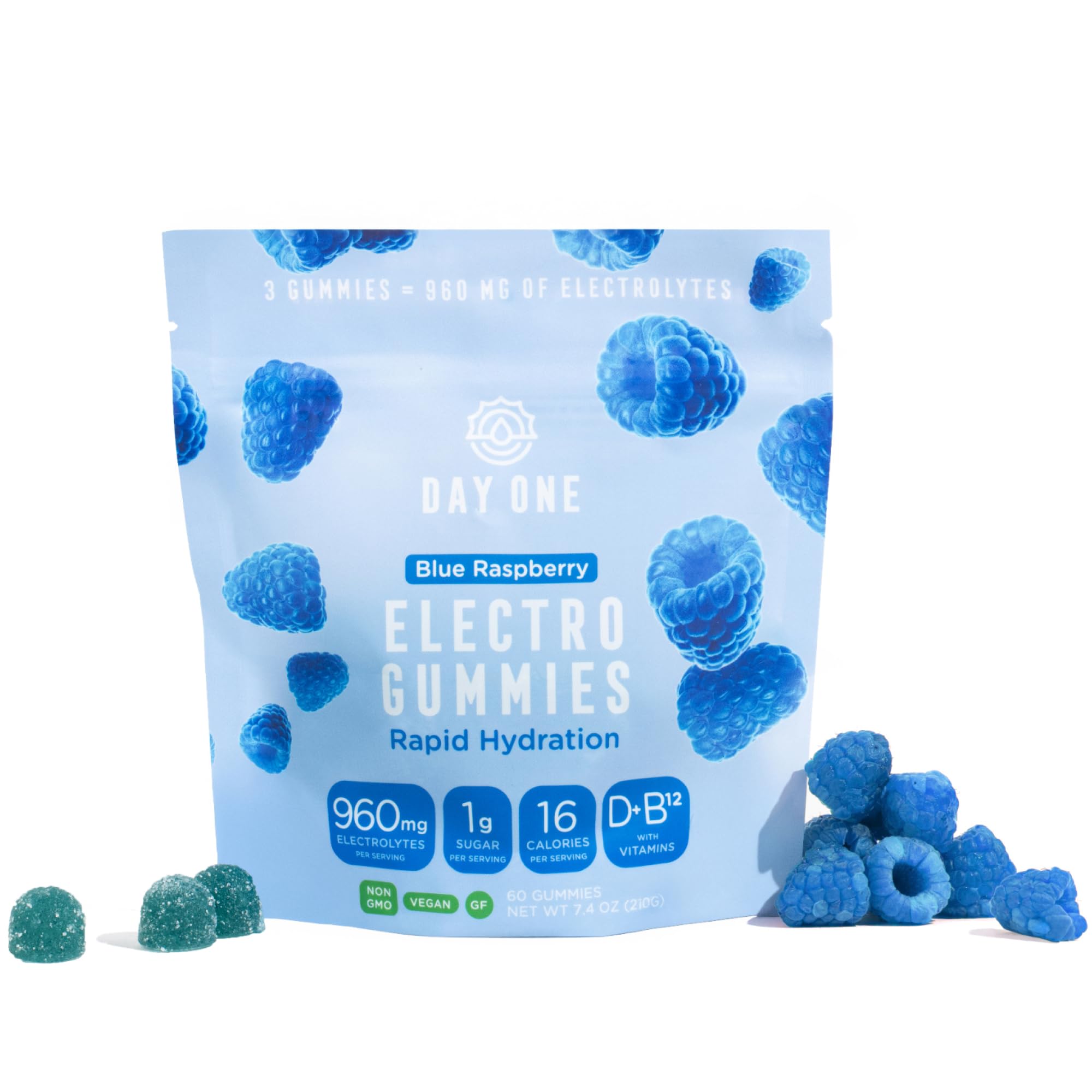
Electrolytes, actually, tend to play a behind-the-scenes role here, helping your body stay stable without necessarily interrupting the fast. That’s where simple formats like Day One ElectroGummies can feel like an easy addition, especially when you’re trying to keep things minimal and consistent.
What Electrolytes Do During a Fast
Fasting, basically, reduces insulin levels and shifts your body toward using stored energy. At the same time, your body tends to flush out water and electrolytes more quickly, especially sodium.
This means, in some respects, you may lose:
- Sodium
- Potassium
- Magnesium
Without replacing them, you might notice:
- Fatigue
- Headaches
- Dizziness
- Brain fog
Electrolytes, in this context, don’t break the fast but instead help maintain balance while your body adapts.
Why It Matters for Hydration and Performance
During fasting, your body, actually, holds less water because glycogen stores drop, and that water leaves with it.
Electrolytes help:
- Prevent dehydration symptoms
- Maintain energy levels
- Support cognitive clarity
- Reduce “keto flu”–like symptoms
Without electrolytes, fasting can feel harder than it needs to be, which is why many people include them as part of their routine.
How It Works in the Body
Electrolytes, in a way, act like regulators that help your body manage fluid and nerve function even when food isn’t coming in.
Here’s what happens:
- Lower insulin → increased sodium loss
- Water follows sodium → increased urination
- Electrolyte imbalance → symptoms like fatigue
By adding electrolytes back in, you’re essentially helping your body stay in balance without disrupting the fasting state.
Practical Tips for Using Electrolytes While Fasting
If you’re using electrolytes during fasting, a few simple guidelines can make a big difference:
1. Choose Low or Zero Sugar Options
Sugar can trigger insulin, which may interrupt fasting depending on your goal.
2. Keep Calories Minimal
Small amounts may not matter for some people, but stricter fasting approaches avoid calories entirely.
3. Use Electrolytes Strategically
- Morning: to prevent early fatigue
- Midday: to maintain energy
- During workouts: to support performance
4. Keep It Simple
Formats like Day One ElectroGummies can be practical since they’re easy to portion and don’t require mixing.
When People Should Use Electrolytes While Fasting
Electrolytes aren’t always necessary, but they tend to help in certain situations:
- During long fasting windows (16+ hours)
- When starting intermittent fasting
- If experiencing headaches or fatigue
- During low-carb or keto diets
- In hot climates or after sweating
In these cases, electrolytes can make fasting feel smoother and more sustainable.
Common Mistakes
A few things, honestly, can make electrolytes less effective during fasting:
- Using high-sugar sports drinks
- Taking too much at once
- Ignoring hydration altogether
- Assuming all electrolyte products are fasting-friendly
- Not adjusting based on activity level
The key is balance, not overdoing it.
What Electrolytes Can You Take While Fasting Safely?
Best Electrolytes for Fasting
Not all electrolytes are equal when fasting, and that is that the goal is to support hydration without triggering insulin or digestion.
Look for:
- Sodium – helps retain fluid
- Potassium – supports cell hydration
- Magnesium – supports muscle and nerve function
What to Avoid
- Added sugars
- High-calorie mixes
- Artificial fillers that may upset digestion
Ideal Formats
- Capsules
- Powders (unsweetened)
- Low-sugar gummies like Day One ElectroGummies
The best option is one that keeps your routine simple while staying aligned with your fasting goals.
FAQs
Do electrolytes technically break a fast?
Electrolytes without calories or sugar, in most cases, do not break a fast. However, products with added sugar or calories may interrupt stricter fasting protocols, especially if the goal is metabolic or insulin control.
Can you take electrolytes during intermittent fasting?
Yes, electrolytes are commonly used during intermittent fasting to help maintain hydration and reduce symptoms like fatigue or headaches. The key is choosing low-calorie or no-sugar options that align with your fasting goals.
Do electrolyte gummies break a fast?
Some gummies may contain small amounts of sugar or calories, which could slightly impact fasting depending on how strict you are. Low-sugar options like Day One ElectroGummies are often used in more flexible fasting approaches.
Why do I feel better taking electrolytes while fasting?
Electrolytes help replace minerals lost during fasting, which supports hydration, nerve function, and energy levels. Without them, your body may experience imbalance, leading to fatigue or brain fog.
Can electrolytes help with fasting headaches?
Yes, headaches during fasting are often linked to dehydration or sodium loss. Replenishing electrolytes, especially sodium, can help reduce or prevent these symptoms.
What is the best time to take electrolytes while fasting?
Electrolytes are typically helpful in the morning or midday when energy dips occur. Timing depends on your routine, activity level, and how your body responds during fasting.
Are zero-calorie electrolyte drinks safe for fasting?
Zero-calorie electrolyte drinks are generally considered safe for fasting, provided they do not contain ingredients that trigger insulin or digestion. Always check labels for hidden sugars or additives.

