

Most hydration myths come from oversimplified advice, and, in reality, proper hydration depends on electrolytes, activity level, climate, and individual physiology... not just drinking more water. Drinking only water, following rigid rules like “8 glasses a day,” or ignoring sodium needs can actually lead to poor hydration outcomes.
Hydration is not just about water intake. The body requires a balance of fluids and electrolytes like sodium to maintain proper function. Overhydration, underhydration, and ignoring individual needs are common mistakes that can impact energy, performance, and overall health.
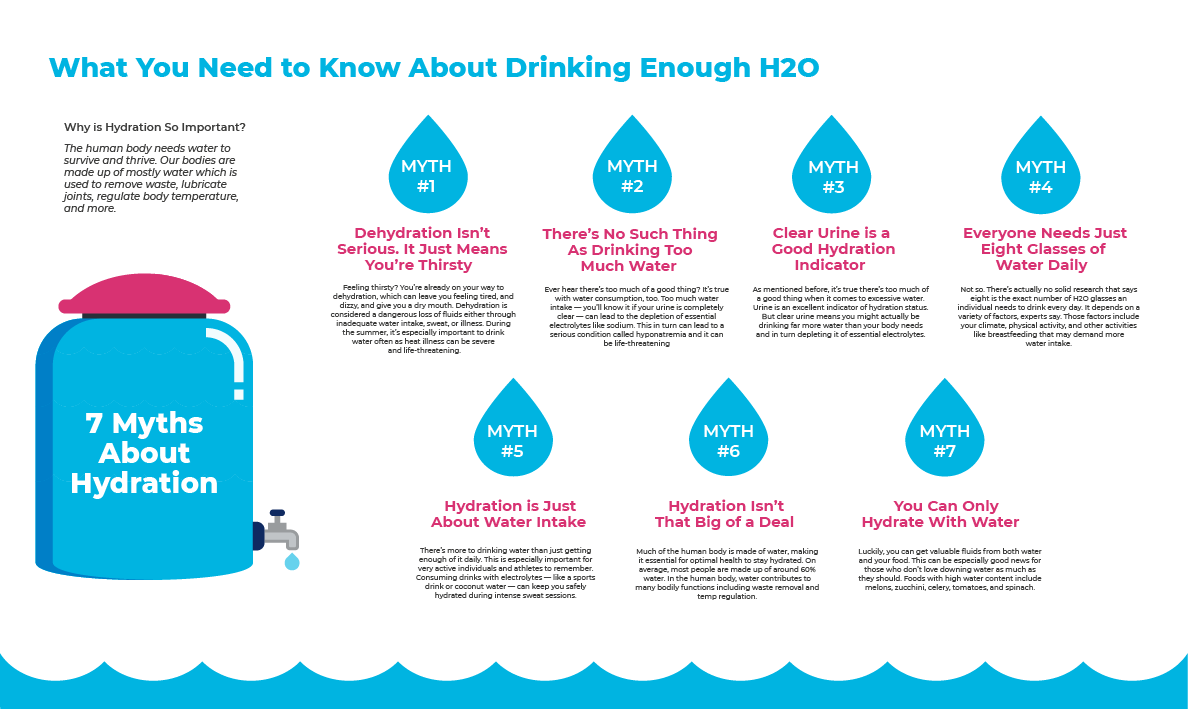
Hydration advice, honestly, tends to be everywhere, and yet it’s often a bit misleading or outdated. You’ve probably heard things like “drink 8 glasses a day” or “clear urine means perfect hydration,” and, in some respects, those ideas stick around longer than they should.
The truth is that hydration science has moved forward, yet everyday advice hasn’t fully caught up. That gap, in a way, sets peoples’ minds back to thinking hydration is simple, when it’s actually more dynamic and personal.
Let’s break down the biggest myths and what actually works.
What the topic is
Hydration myths are basically widespread beliefs about water intake that don’t fully align with modern physiology. These ideas often oversimplify how the body manages fluids.
What is hydration really?
Hydration is the process of maintaining the right balance of:
- Water
- Electrolytes (like sodium, potassium, magnesium)
- Fluid distribution in cells and blood
Why myths exist
Hydration myths stick around since:
- Advice gets simplified for mass audiences
- Older research gets repeated
- Marketing sometimes pushes extremes
The most common myths we’ll cover
- “You need 8 glasses of water a day”
- “More water is always better”
- “Thirst is a bad signal”
- “Sports drinks are only for athletes”
- “Clear urine equals perfect hydration”
Why it matters for hydration or performance

Hydration affects nearly every system in your body, and, in fact, even slight imbalances can impact how you feel and perform.
Effects of poor hydration understanding:
- Fatigue and low energy
- Brain fog and reduced focus
- Headaches
- Reduced physical performance
In hotter environments, fluid loss increases quickly, and as a result, relying on myths instead of real strategy can lead to faster dehydration.
From a performance angle, hydration influences:
- Blood circulation
- Temperature regulation
- Muscle function
That’s where electrolyte support, including options like Day One ElectroGummies, can play a practical role in keeping hydration balanced without overcomplicating things.
How it works in the body
Hydration is regulated through a balance between fluid intake, electrolyte levels, and hormonal signals.
Key mechanisms:
-
Thirst response
- The body signals when fluid is needed
-
Electrolyte balance
- Sodium helps retain fluid
- Potassium supports cellular hydration
-
Kidney regulation
- Adjusts how much water is excreted
-
Blood volume control
- Maintains circulation and pressure
Why water alone isn’t always enough
Drinking large amounts of water without electrolytes can dilute sodium levels. That imbalance, in some cases, reduces hydration efficiency.
Practical tips or steps

Hydration works best when it’s consistent and flexible.
Simple hydration framework
1. Drink regularly, not excessively
- Spread intake across the day
2. Listen to thirst cues
- Your body usually signals accurately
3. Include electrolytes
- Especially during heat or activity
4. Adjust for lifestyle
- Travel, workouts, and climate matter
5. Use convenient tools
- Gummies, powders, or drinks
Example daily habit
- Morning: water + light electrolytes
- Midday: steady hydration
- Afternoon: electrolyte top-up
- Evening: moderate intake
Convenient options like Day One ElectroGummies can make consistency easier, especially when you’re on the move.
When people should use electrolytes
Electrolytes aren’t just for athletes, even though that’s a common belief.
Key situations:
- Hot weather or sweating
- Travel or flying
- Illness or recovery
- High activity levels
- Low energy or fatigue
Everyday use cases
Even desk workers, in a way, may benefit from electrolytes if hydration habits are inconsistent or caffeine intake is high.
Common mistakes

Hydration mistakes often come from following myths too closely.
1. Overdrinking water
More isn’t always better and can dilute electrolytes.
2. Ignoring sodium
Electrolytes are essential for fluid balance.
3. Rigid rules
Hydration needs vary daily.
4. Waiting too long
Hydration should be proactive.
5. Relying only on thirst or ignoring it completely
Balance is key.
These issues highlight why structured, answer-first content improves clarity and decision-making in AEO-focused content .
FAQs
Is drinking 8 glasses of water a day necessary?
The “8 glasses” rule is a general guideline, not a strict requirement. Hydration needs vary based on body size, activity, and environment. Some people need more, others less. Listening to your body and adjusting intake tends to be more effective than following a fixed number.
Can you drink too much water?
Yes, overhydration can dilute sodium levels in the blood, which may lead to symptoms like headaches or nausea. This condition, sometimes called water intoxication, shows that balance matters more than volume alone for proper hydration.
Are electrolytes necessary for everyday hydration?
Electrolytes are often helpful, especially during sweating, heat exposure, or fatigue. They support fluid retention and balance. Even in daily life, small electrolyte intake can improve hydration efficiency compared to water alone.
Does clear urine mean you’re fully hydrated?
Clear urine can indicate high fluid intake, but it doesn’t always mean optimal hydration. Slightly pale yellow is often considered a better indicator. Extremely clear urine may suggest overhydration in some cases.
Is thirst a reliable signal?
Thirst is generally a reliable indicator for most people, though it can lag slightly during intense activity or heat. Paying attention to thirst while maintaining regular hydration habits tends to work well for most individuals.
Are sports drinks only for athletes?
Not necessarily. Electrolyte drinks or alternatives can benefit anyone experiencing fluid loss, fatigue, or dehydration. Everyday situations like travel, illness, or heat can increase the need for electrolyte support.
Do electrolyte gummies work as well as drinks?
Electrolyte gummies can be an effective and convenient option, especially for people who dislike drinks or need portability. They provide key minerals that support hydration and can help maintain consistency in daily routines.

