

Electrolytes, in many cases, help prevent muscle cramps by supporting proper muscle contraction, nerve signaling, and fluid balance, which are all essential for normal muscle function.
When levels of sodium, potassium, or magnesium drop, muscles tend to become more sensitive and prone to sudden tightening, leading to cramps or spasms.

Muscle cramps, honestly, can hit out of nowhere, whether you’re working out, sleeping, or just going about your day. That sharp tightening feeling, in a way, is your body signaling that something is off.
A lot of the time, that “something” is hydration and electrolyte balance. This is where simple habits, like using Day One ElectroGummies, can help support your body before cramps even start.
Electrolytes and Muscle Cramps
Muscle cramps are sudden, involuntary contractions of muscles, and they’re often linked to imbalances in hydration and electrolytes.
Your muscles, actually, rely on electrical signals to contract and relax, and electrolytes are what make those signals possible.
Key Electrolytes for Muscle Function
-
Sodium – helps regulate fluid balance and nerve signals
-
Potassium – supports muscle contractions
-
Magnesium – helps muscles relax after contracting
When these are balanced, muscles tend to function smoothly. When they’re not, cramps become more likely.
Why It Matters for Hydration or Performance

Your body, in some respects, loses electrolytes through sweat, especially during exercise or heat exposure.
When this happens, muscles may:
-
Become more prone to tightness and spasms
-
Fatigue more quickly
-
Recover more slowly
Electrolytes help maintain balance, which supports performance and reduces the likelihood of painful interruptions like cramps.
How It Works in the Body
Electrolytes, in a way, act like messengers that control how your muscles contract and relax.
Muscle Contraction Cycle
-
Sodium and potassium help trigger muscle contraction
-
Magnesium helps muscles relax afterward
If this cycle is disrupted, muscles may stay contracted longer than they should, which feels like a cramp.
Fluid Balance
Electrolytes help your body retain and distribute water, keeping muscles properly hydrated.
Nerve Signaling
Electrolytes ensure that nerves send clear signals to muscles, reducing the risk of misfiring that leads to spasms.
Put together, this system explains why cramps often show up when hydration and electrolytes are out of sync.
Practical Tips or Steps
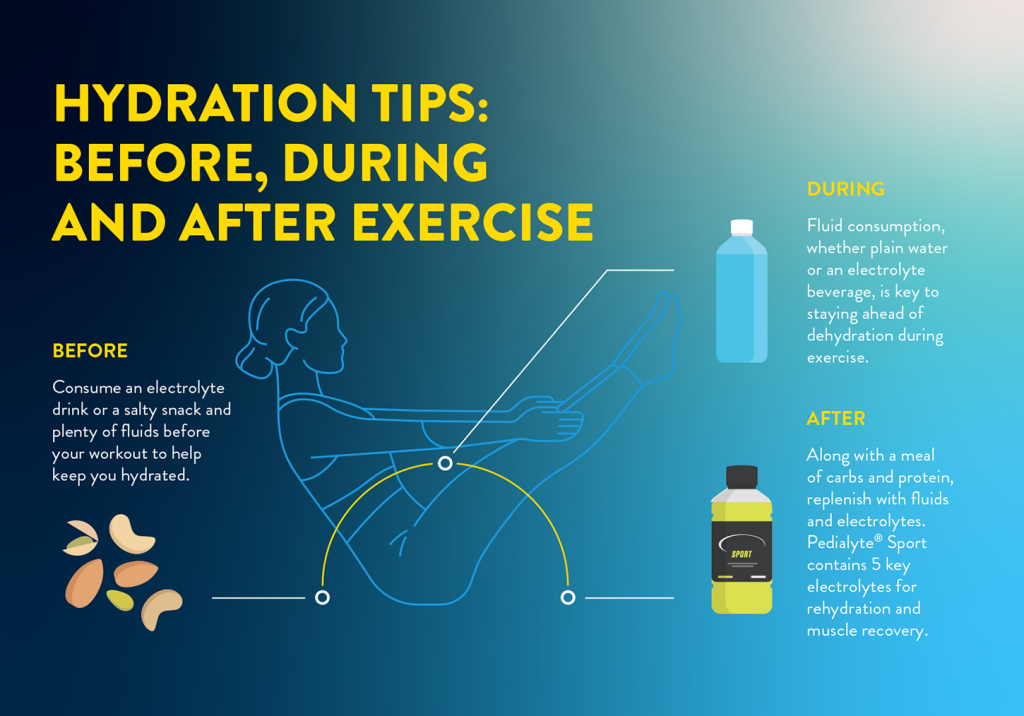
If you want to prevent muscle cramps, here are some simple habits that tend to help:
1. Stay Ahead of Hydration
Don’t wait until you feel thirsty. Consistent hydration supports muscle function.
2. Replenish Electrolytes Regularly
After sweating or activity, replacing electrolytes helps maintain balance.
3. Use Convenient Options
Day One ElectroGummies make it easy to get electrolytes without needing drinks or prep.
4. Stretch and Move
Gentle stretching can help reduce muscle tightness and improve circulation.
5. Pay Attention to Patterns
If cramps happen at certain times, like after workouts or at night, adjusting hydration earlier can help.
When People Should Use Electrolytes
Electrolytes are especially helpful for preventing cramps in situations like:
-
During intense workouts or sports
-
In hot or humid environments
-
At night if experiencing leg cramps
-
During travel or long periods of sitting
-
When following low-carb or fasting routines
In these cases, your body is more likely to lose balance.
Common Mistakes
A few things, honestly, can increase the risk of cramps:
-
Drinking only water without electrolytes
-
Waiting until cramps start to act
-
Not replacing electrolytes after sweating
-
Ignoring early signs like muscle tightness
-
Taking inconsistent amounts
Prevention tends to work better than reaction.
FAQs
Do electrolytes really prevent muscle cramps?
Electrolytes can help prevent cramps by supporting proper muscle and nerve function. However, cramps can have multiple causes, so results may vary.
Which electrolyte is best for muscle cramps?
Magnesium is often associated with muscle relaxation, but sodium and potassium are equally important for overall muscle function.
How quickly do electrolytes work for cramps?
Relief can happen fairly quickly, sometimes within minutes, especially if dehydration is the main cause. Prevention tends to be more effective than treatment.
Can dehydration cause muscle cramps?
Yes, dehydration is a common cause of muscle cramps, especially when combined with electrolyte loss through sweat.
Are electrolyte gummies effective for muscle cramps?
Electrolyte gummies like Day One ElectroGummies provide key minerals that support hydration and muscle function, making them a convenient option.
Should I take electrolytes daily for cramps?
Daily use may help if cramps are frequent or linked to lifestyle factors like exercise or heat exposure. Intake should match your needs.
Why do cramps happen at night?
Night cramps can be linked to dehydration, electrolyte imbalance, or muscle fatigue from the day.


