
Hydration for athletes involves drinking fluids before exercise, maintaining fluid and electrolyte intake during activity, and replenishing both after workouts. Proper hydration supports endurance, muscle function, temperature regulation, and recovery. Athletes often combine water intake with electrolytes such as sodium, potassium, magnesium, calcium, and chloride to replace minerals lost through sweat.
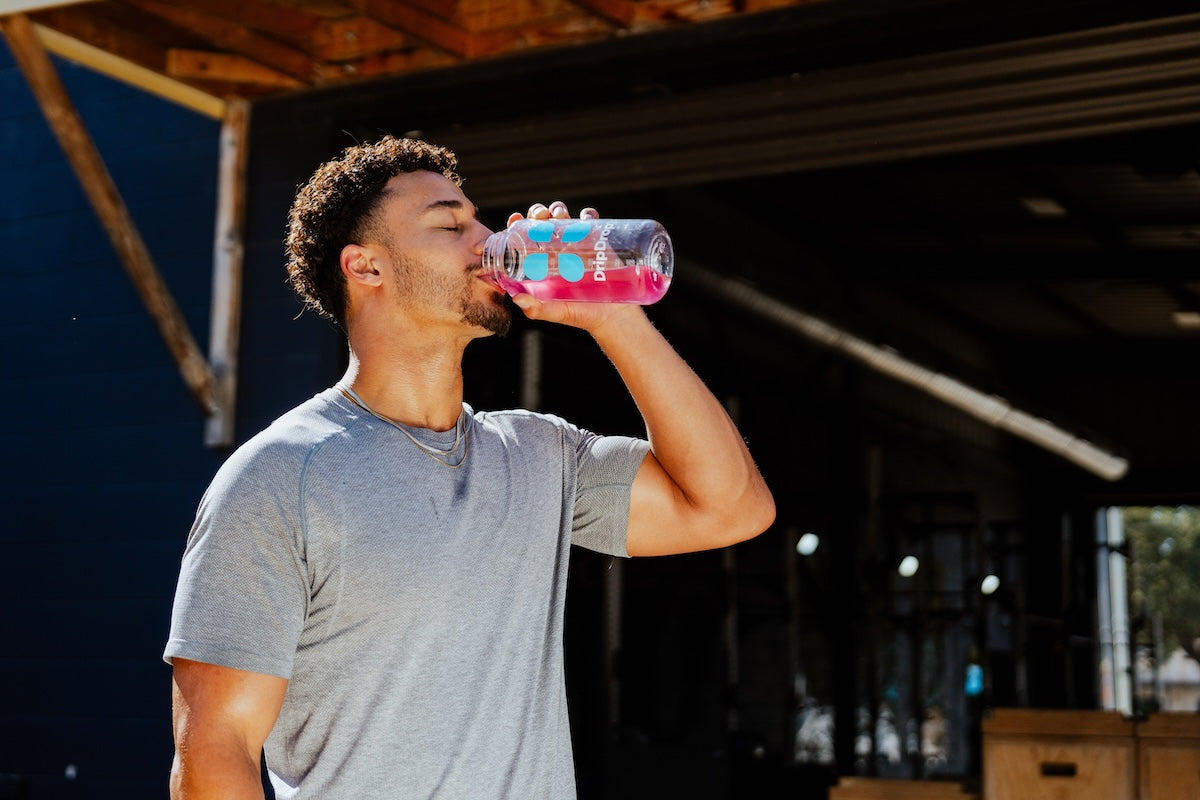
Hydration, actually, plays a major role in athletic performance, yet many athletes underestimate how much fluids and electrolytes influence endurance, recovery, and overall training results. The human body relies heavily on water to regulate temperature, support muscle contractions, and transport nutrients during physical activity.
When athletes exercise, the body produces sweat as a cooling mechanism. Sweat contains both water and essential electrolytes, which means prolonged activity gradually reduces hydration levels. Even mild dehydration sometimes leads to fatigue, slower reaction times, and reduced endurance.
For athletes training regularly or competing at high levels, hydration becomes a daily strategy rather than a reactive habit. Drinking water only when thirsty may not fully replace fluid losses, especially during long workouts or hot weather.
Electrolytes help regulate fluid balance inside and outside cells. Minerals such as sodium and potassium control how water moves through the body, while magnesium and calcium support nerve signaling and muscle contractions.
Athletes often replenish electrolytes through foods, beverages, or supplements. Portable solutions such as Day One ElectroGummies offer a convenient way to maintain electrolyte balance during workouts, travel, or busy schedules.
This guide explains hydration strategies for athletes before exercise, during training, and after workouts. Understanding these stages helps athletes maintain energy, reduce dehydration risk, and support optimal performance.
What Is Athletic Hydration?
Athletic hydration refers to maintaining proper fluid and electrolyte balance before, during, and after physical activity. This balance supports muscle function, endurance, temperature regulation, and recovery.
Athletic hydration involves more than simply drinking water. It includes replacing electrolytes that are lost through sweat during exercise.
The body depends on fluid balance to maintain:
-
cardiovascular function
-
muscle contractions
-
nervous system communication
-
body temperature control
Without adequate hydration, athletes may experience fatigue earlier during workouts or notice reduced performance during training.
Why Hydration Matters for Athletic Performance

Hydration supports endurance, muscle contractions, and temperature regulation during physical activity. Dehydration can reduce athletic performance, increase fatigue, and raise the risk of heat-related illness.
Temperature Regulation
Sweat helps the body cool itself during exercise. Without enough fluids, body temperature may rise faster during intense activity.
Muscle Function
Electrolytes regulate muscle contractions. When electrolyte levels drop, muscles sometimes fatigue more quickly.
Endurance and Stamina
Even a small drop in hydration can affect aerobic performance. Athletes sometimes experience reduced stamina when fluid levels decrease.
Cognitive Performance
Hydration also affects focus, reaction time, and decision-making during sports.
Understanding Sweat and Electrolyte Loss
Sweat is the body's natural cooling mechanism.
During exercise, athletes lose fluids and minerals through sweat. The amount of fluid loss varies widely depending on training intensity and environmental conditions.
Athletes may lose several key electrolytes through sweat:
-
sodium
-
potassium
-
chloride
-
magnesium
Sweat rates vary depending on:
-
exercise intensity
-
temperature and humidity
-
body size
-
fitness level
Some endurance athletes lose more than one liter of sweat per hour during intense workouts.
Replacing both fluids and electrolytes helps maintain hydration balance and support performance.
Pre-Workout Hydration Strategy

Athletes should begin workouts well hydrated by drinking fluids regularly throughout the day and consuming water or electrolyte sources before exercise. Proper pre-workout hydration helps maintain endurance and temperature regulation.
Hydrate Early
Athletes benefit from drinking fluids consistently during the day leading up to training sessions.
Pre-Workout Fluid Timing
Typical hydration strategies include:
2–3 hours before exercise
-
drink water gradually
30–60 minutes before exercise
-
drink a moderate amount of water or electrolytes
Pre-Workout Electrolytes
Electrolytes may be helpful before exercise when:
-
workouts last longer than one hour
-
training occurs in hot weather
-
athletes sweat heavily
Portable electrolyte options such as Day One ElectroGummies allow athletes to replenish minerals without mixing drinks.
Hydration During Exercise

During exercise, athletes should drink fluids regularly to replace sweat losses and maintain hydration balance. Electrolytes help replace minerals lost through sweat during longer or intense workouts.
Hydration Frequency
Athletes often benefit from drinking fluids every 15–20 minutes during exercise.
Fluid Intake Factors
Fluid requirements depend on:
-
exercise duration
-
sweat rate
-
environmental conditions
Electrolytes During Training
Electrolytes become increasingly important when workouts involve:
-
endurance training
-
prolonged exercise
-
high heat environments
These minerals help maintain muscle contractions and hydration balance.
Post-Workout Hydration and Recovery
Post-workout hydration involves replacing both fluids and electrolytes lost during exercise. Proper recovery hydration supports muscle repair, temperature regulation, and preparation for the next training session.
Rehydration Strategies
Athletes should:
-
drink fluids after exercise
-
replenish electrolytes
-
consume balanced meals
Signs Athletes Need More Hydration
Athletes may require additional fluids if they experience:
-
strong thirst
-
fatigue
-
muscle cramps
-
dark urine
Replacing fluids gradually helps restore hydration balance.
Hydration for Different Types of Athletes
Hydration strategies vary depending on the type of sport.
Endurance Athletes
Runners, cyclists, and triathletes often experience significant fluid loss and require consistent hydration.
Strength Athletes
Weightlifters may require moderate hydration levels during training sessions.
Team Sport Athletes
Sports such as soccer or basketball involve intermittent hydration breaks.
Outdoor Athletes
Hot weather increases sweat rates and fluid loss.
Athletes should adjust hydration strategies based on activity intensity and environmental conditions.
Electrolytes and Athletic Recovery
Electrolytes support recovery after exercise.
Sodium
Helps restore fluid balance.
Potassium
Supports muscle contractions and cardiovascular function.
Magnesium
Supports muscle relaxation.
Calcium
Helps regulate muscle contraction.
Replenishing electrolytes helps the body return to normal fluid balance after workouts.
Signs of Dehydration in Athletes
Athletes should recognize early signs of dehydration.
Common symptoms include:
-
fatigue
-
headaches
-
dizziness
-
muscle cramps
-
reduced endurance
Severe dehydration may increase the risk of heat exhaustion during intense training.
Common Hydration Mistakes Athletes Make
Waiting Until Thirst Appears
Thirst often signals that dehydration has already begun.
Drinking Only Water During Long Workouts
Electrolytes are lost along with fluids during sweating.
Consuming Excess Sugar
Some sports drinks contain high sugar levels.
Ignoring Post-Workout Hydration
Recovery hydration helps prepare the body for the next workout.
Hydration Tips for Athletes
Athletes can maintain hydration through simple habits.
-
drink fluids regularly throughout the day
-
monitor urine color
-
replenish electrolytes after sweating
-
carry hydration supplies during training
-
adjust fluid intake based on climate conditions
FAQs
How much water should athletes drink during workouts?
Athletes often drink fluids every 15–20 minutes during exercise. Fluid needs vary depending on workout intensity, sweat rate, and environmental conditions.
Why are electrolytes important for athletes?
Electrolytes help regulate fluid balance, nerve signaling, and muscle contractions during physical activity.
Do athletes always need electrolyte supplements?
Electrolyte supplements are often helpful during endurance training, prolonged exercise, or hot weather conditions.
What are signs of dehydration during exercise?
Symptoms include fatigue, dizziness, headaches, muscle cramps, and decreased endurance.
When should athletes drink electrolytes?
Electrolytes may be useful before, during, or after workouts depending on sweat loss and training intensity.


