

Travel hydration means intentionally replacing both fluids and electrolytes while moving between environments such as airplanes, hot climates, long drives, or altitude changes.
During travel, the body loses water faster than usual. Dry airplane cabins, irregular meals, sleep disruption, and unfamiliar climates increase dehydration risk. The most reliable approach includes:
-
Drinking water consistently throughout the day
-
Replacing electrolytes like sodium and potassium lost through sweat
-
Eating hydrating foods when possible
-
Avoiding excess caffeine or alcohol during long travel days
Many travelers use electrolyte supplements such as Day One ElectroGummies as a portable way to support hydration when clean water, balanced meals, or electrolyte drinks are not readily available.
Travel hydration matters because even mild dehydration can cause fatigue, headaches, poor focus, and jet-lag-like symptoms.

Travel tends to push the body outside its normal routine. Flights reduce humidity, hot destinations increase sweat loss, and busy schedules often mean people forget to drink water.
In fact, airplane cabins usually sit around 10–20 percent humidity, which is far drier than most homes. That environment quietly pulls moisture from skin, lungs, and the bloodstream.
Many people interpret travel fatigue as jet lag when it may actually be low-level dehydration combined with electrolyte imbalance.
Understanding how hydration works during travel helps maintain:
-
Energy levels
-
Mental clarity
-
Physical endurance
-
Overall comfort during trips
For frequent travelers, athletes, digital nomads, and vacationers alike, hydration becomes one of the simplest ways to feel better while moving across climates and time zones.
What Travel Hydration Is

Travel hydration refers to maintaining fluid balance during transportation, climate changes, and schedule disruptions.
The concept includes both water intake and electrolyte balance, since hydration involves more than drinking plain water.
Key elements of travel hydration
-
Fluid intake
Water replaces liquid lost through breathing, sweat, and urination.
-
Electrolyte replacement
Electrolytes regulate how water moves through the body.
Key hydration electrolytes include:
-
Sodium
-
Potassium
-
Magnesium
-
Chloride
-
Environmental adaptation
Travel environments that affect hydration include:
-
Airplane cabins
-
Hot climates
-
High altitude destinations
-
Long road trips
-
Active travel such as hiking or sightseeing
-
Routine disruptions
Travel often includes:
-
irregular meals
-
poor sleep
-
increased walking
-
alcohol consumption
Each factor increases dehydration risk.
Why Travel Hydration Matters for Performance
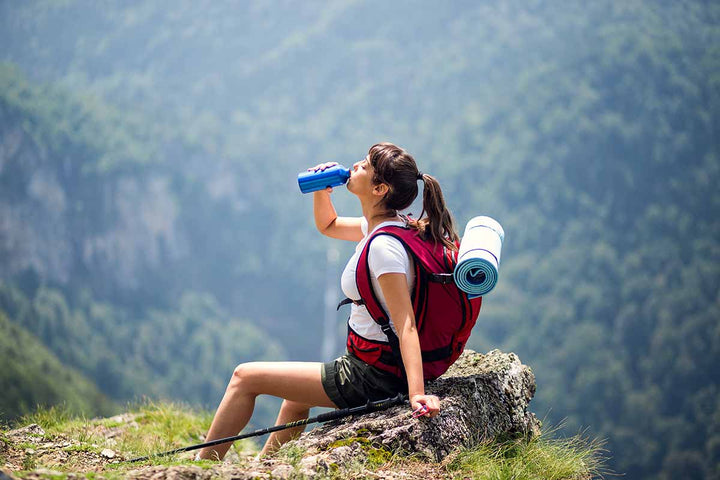
Hydration affects nearly every physiological system.
Even 1–2 percent body water loss can influence cognitive performance, physical stamina, and mood.
Effects of dehydration during travel
Common symptoms include:
-
fatigue
-
headaches
-
dizziness
-
dry skin
-
irritability
-
poor concentration
These symptoms often appear during:
-
long flights
-
airport layovers
-
sightseeing days
-
outdoor activities in warm destinations
Hydration and travel performance
Proper hydration helps support:
-
better circulation
-
muscle function
-
temperature regulation
-
mental clarity
For travelers exploring cities or hiking destinations, hydration plays a role in maintaining endurance across long activity days.
Electrolytes help maintain fluid balance inside cells, which supports sustained energy levels.
How Hydration Works in the Body
Hydration depends on a balance between fluid intake and electrolyte concentration in body fluids.
Water alone moves quickly through the digestive system, but electrolytes help retain and distribute water where the body needs it most.
Step-by-step hydration process
-
Water enters the bloodstream
Fluid absorbed in the small intestine enters circulation.
-
Electrolytes regulate distribution
Sodium and potassium guide water into and out of cells.
-
Kidneys regulate fluid balance
Kidneys adjust urine production to maintain electrolyte levels.
-
Sweat removes fluid and sodium
In warm environments, the body releases sweat to cool itself.
During travel, this balance becomes unstable due to:
-
low humidity
-
long periods without drinking
-
climate changes
-
physical activity
Electrolytes help stabilize this system.
That’s why hydration solutions often include sodium, which helps the body retain water instead of quickly excreting it.
Practical Travel Hydration Tips
1. Drink water before flights
Start hydration several hours before boarding.
Aim for:
-
16–20 oz of water before a long flight
2. Drink regularly during flights
Air travel increases fluid loss through breathing.
A common rule:
-
8 oz water every hour during flights
3. Pack portable electrolyte sources
Travel makes balanced nutrition harder.
Convenient hydration tools include:
-
electrolyte tablets
-
powders
-
electrolyte gummies
Many travelers like Day One ElectroGummies because they are portable, require no mixing, and can support electrolyte intake while moving between airports, hikes, or road trips.
4. Eat hydrating foods
Examples include:
-
oranges
-
watermelon
-
cucumbers
-
yogurt
5. Limit alcohol and caffeine
Both increase fluid loss.
Spacing alcoholic drinks with water reduces dehydration risk.
6. Carry a reusable bottle
Airport refill stations make it easier to maintain hydration.
When Travelers Should Use Electrolytes
Electrolytes become useful in several travel situations.
Long flights
Airplane dehydration occurs from:
-
dry cabin air
-
reduced water intake
Hot climates
Sweat loss increases sodium depletion.
High altitude destinations
Altitude increases breathing rate and fluid loss.
Active vacations
Activities like:
-
hiking
-
cycling
-
skiing
-
sightseeing
increase sweat loss.
Digestive disruption
Traveler’s diarrhea or stomach illness can quickly deplete fluids and electrolytes.
Portable hydration tools like Day One ElectroGummies can help travelers replenish electrolytes without carrying large bottles or powders.
Common Travel Hydration Mistakes
Waiting until thirst appears
Thirst signals early dehydration.
Drinking only coffee or alcohol
Both can increase fluid loss.
Relying only on plain water
Heavy sweating may require electrolyte replacement.
Forgetting hydration during sightseeing
Many travelers walk 10–20 miles per day while exploring cities.
Not hydrating after arrival
Jet lag symptoms may worsen if dehydration continues after landing.
FAQs
How much water should you drink during travel?
People usually need around 2–3 liters of fluid daily, though travel conditions may increase that amount. Long flights, heat, and physical activity raise hydration needs. Drinking small amounts regularly throughout the day tends to work better than consuming large amounts at once.
Why do airplanes make you dehydrated?
Airplane cabins maintain extremely low humidity, sometimes near 10–20 percent, which dries the respiratory system and skin. This environment increases fluid loss through breathing. Passengers often drink less water during flights, which compounds dehydration and leads to fatigue or headaches.
Are electrolytes necessary for travel hydration?
Electrolytes are not always required, though they become helpful in hot climates, long flights, or active travel days. Sodium and potassium help maintain fluid balance and support hydration. Many travelers use portable options like electrolyte drinks or Day One ElectroGummies for convenience.
What are signs of dehydration while traveling?
Common indicators include fatigue, dry mouth, headaches, dizziness, and reduced concentration. Dark yellow urine is another sign the body may need more fluids. Addressing these symptoms early with water and electrolytes often helps restore balance quickly.
Is it possible to drink too much water while traveling?
Yes, though it is uncommon. Drinking extremely large amounts of water without electrolytes can dilute sodium levels in the body. Maintaining balanced hydration with fluids and electrolytes helps prevent this issue, especially during intense physical activity.
Do electrolyte gummies work for hydration?
Electrolyte gummies provide minerals such as sodium and potassium that help regulate fluid balance. They can support hydration when used alongside water. Many travelers prefer gummies since they are portable, easy to carry through airports, and convenient during outdoor activities.
How can travelers stay hydrated in hot destinations?
Drink fluids regularly, eat water-rich foods, take shade breaks, and replace electrolytes lost through sweat. Carrying portable hydration solutions helps maintain electrolyte balance during long days outdoors or sightseeing in warm climates.


