

People with POTS (Postural Orthostatic Tachycardia Syndrome) typically need significantly higher fluid and electrolyte intake to stabilize blood volume, reduce dizziness, and support circulation. In many cases, daily hydration includes 2–3 liters of fluid plus increased sodium intake (3,000–10,000 mg depending on medical advice) to help maintain blood pressure and reduce symptoms.
POTS hydration management focuses on increasing fluid and sodium intake to expand blood volume, stabilize heart rate, and reduce dizziness or fatigue. Consistent electrolyte use, structured hydration timing, and avoiding dehydration triggers are key to symptom control.
Introduction

POTS, or Postural Orthostatic Tachycardia Syndrome, is that condition where your heart rate jumps quickly when you stand, and, honestly, it can feel pretty overwhelming day to day. In some respects, hydration becomes one of the most powerful tools people lean on, since blood volume plays a huge role in symptoms.
Now, what’s interesting is that, unlike typical hydration advice, people with POTS often need way more fluids and salt than average. That shift, in a way, sets peoples’ minds back to rethinking hydration as something active, not passive.
This article walks through exactly how hydration works in POTS, why electrolytes matter so much, and how to actually build a routine that sticks.
What is POTS Hydration
POTS hydration is basically about using fluids and electrolytes intentionally to support circulation and nervous system balance. That might sound simple, yet it’s actually a bit more structured than just drinking water.
What is POTS?
POTS is a form of dysautonomia, meaning the autonomic nervous system doesn’t regulate things like heart rate and blood pressure properly. So when someone stands up, blood tends to pool in the lower body instead of circulating efficiently.
What is hydration in this context?
Hydration here isn’t just water intake. It includes:
- Fluids (water, drinks)
- Electrolytes (especially sodium)
- Timing and consistency
- Absorption efficiency
Why regular hydration advice doesn’t work
Typical advice like “drink when thirsty” tends to fall short. People with POTS often:
- Lose fluids faster
- Have lower blood volume
- Need sodium to retain water
So, in a way, hydration becomes more like a daily treatment plan than a casual habit.
Why it matters for hydration or performance

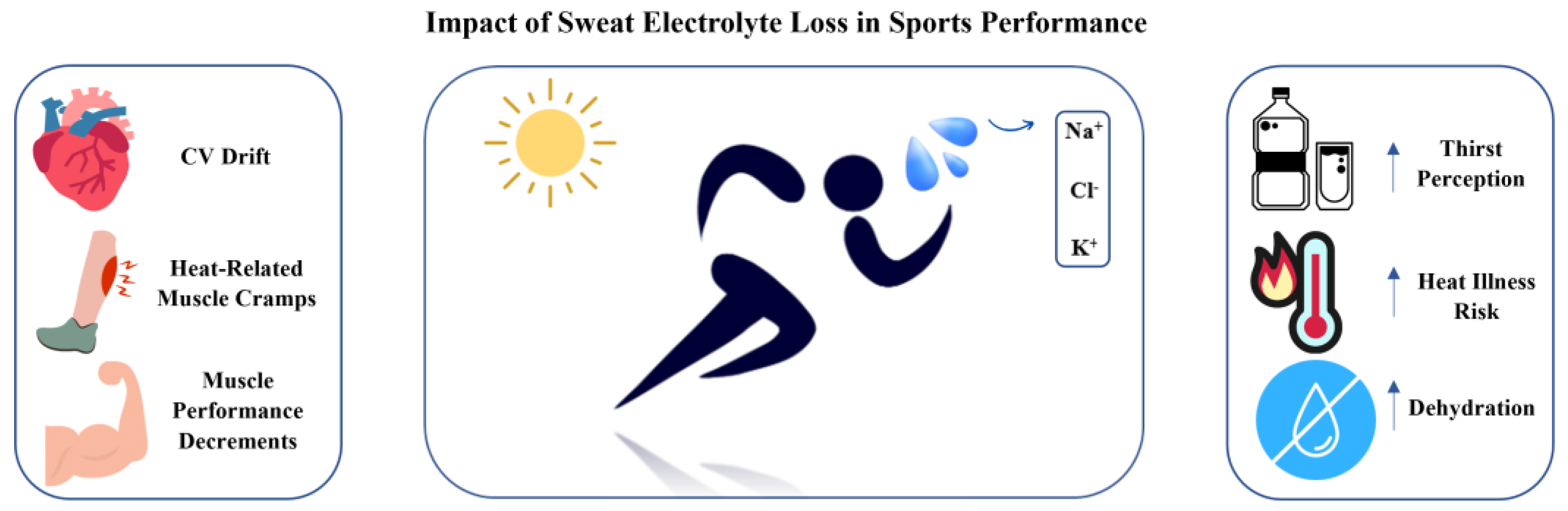
Hydration directly affects how well your body can circulate blood, and, for POTS, that’s everything.
Key impacts include:
- Reduced dizziness and fainting
- Better energy levels
- Improved cognitive clarity
- More stable heart rate
In hot climates, like Nairobi or similar regions, fluid loss increases through sweat. That means symptoms can get worse faster, which is why electrolyte support becomes even more important.
From a performance angle, hydration can influence:
- Standing tolerance
- Exercise capacity
- Mental focus
That’s why products like Day One ElectroGummies can be useful, since they offer a convenient way to top up electrolytes without needing to mix drinks constantly.
How it works in the body
Hydration in POTS ties directly into blood volume and vascular tone.
Step-by-step mechanism:
-
Fluid intake increases plasma volume
Drinking fluids expands the liquid portion of blood. -
Sodium helps retain that fluid
Without sodium, water just passes through quickly. -
Improved blood volume supports circulation
This reduces pooling in the lower body. -
Heart rate stabilizes
The body doesn’t need to compensate as aggressively. -
Symptoms decrease
Less dizziness, fatigue, and brain fog.
Why electrolytes matter more than water alone
Water alone can sometimes dilute sodium levels, which might actually worsen symptoms. That’s why combining fluids with electrolytes is key.
Practical tips or steps

Building a hydration routine for POTS is about consistency, not perfection.
Daily hydration framework
1. Start early
- Drink 500 ml within 30 minutes of waking
2. Spread intake throughout the day
- Avoid drinking everything at once
3. Add electrolytes regularly
- Use drinks, powders, or gummies
4. Pair fluids with salt
- Snacks like salted foods help retention
5. Monitor symptoms
- Adjust intake based on how you feel
Example daily routine
- Morning: water + electrolytes
- Midday: steady sipping
- Afternoon: electrolyte boost
- Evening: light hydration
Easy electrolyte options
- Electrolyte drinks
- Salted meals
- Day One ElectroGummies for convenience

These gummies, in a way, simplify hydration since you don’t always want to carry a bottle or mix powders.
When people should use electrolytes
Electrolytes aren’t just for workouts. For POTS, they’re often needed daily.
Key situations:
- Morning (after overnight dehydration)
- Before standing for long periods
- During heat exposure
- After sweating
- During travel
High-risk dehydration moments
- Hot weather
- Long commutes
- Illness
- Poor sleep
In these cases, using something quick like electrolyte gummies can make a noticeable difference.
Common mistakes


Hydration mistakes can actually worsen POTS symptoms.
1. Drinking only water
This can dilute sodium levels and reduce effectiveness.
2. Inconsistent intake
Big gaps in hydration lead to symptom spikes.
3. Not enough sodium
Fluids alone aren’t enough.
4. Ignoring climate
Heat increases fluid loss significantly.
5. Waiting until symptoms hit
Hydration should be proactive, not reactive.
FAQs
How much water should someone with POTS drink daily?
Most people with POTS typically need around 2 to 3 liters of fluid daily, sometimes more depending on climate and activity. That said, intake often pairs with increased sodium to help retain fluids. A doctor usually tailors exact amounts based on symptoms and response.
Why is salt important for POTS hydration?
Salt helps the body hold onto fluids, which increases blood volume and improves circulation. Without enough sodium, water passes through quickly, reducing its benefit. That’s why many POTS plans include both fluid and salt together rather than focusing on water alone.
Can you drink too much water with POTS?
Yes, in a way, overhydration without electrolytes can dilute sodium levels and worsen symptoms slightly. Balance matters more than sheer volume. Pairing fluids with electrolytes helps maintain proper hydration without disrupting the body’s internal balance.
Are electrolyte drinks better than water?
Electrolyte drinks tend to be more effective for POTS since they support fluid retention and circulation. Water still plays a role, yet combining it with sodium and other electrolytes creates a more stable hydration effect throughout the day.
When is the best time to take electrolytes?
Morning is often the most important time, since the body wakes up slightly dehydrated. Many people also benefit from taking electrolytes before standing for long periods or during heat exposure to reduce symptom flare-ups.
Do electrolyte gummies actually work?
Electrolyte gummies can work well as a convenient option, especially for people who struggle with drinks or powders. They provide sodium and minerals in an easy format, making it simpler to stay consistent with hydration routines.
Can hydration alone treat POTS?
Hydration helps manage symptoms significantly, yet it’s usually one part of a broader approach that may include diet, lifestyle adjustments, and medical treatment. Still, consistent hydration is often one of the most effective daily strategies.

